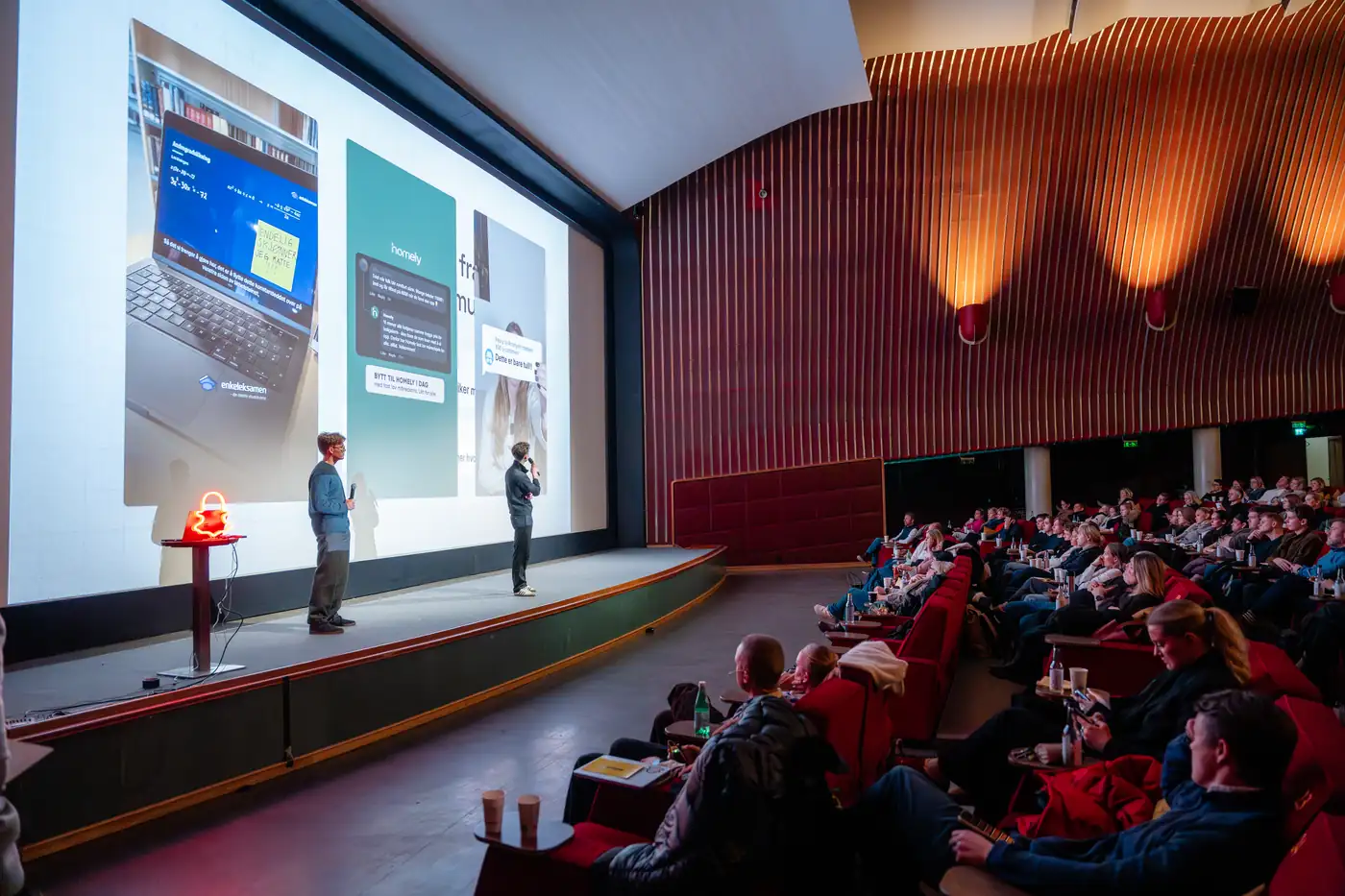
An angle is a reason someone buys: the pain point, the desire, the objection overcome. A concept is a way that angle becomes an ad: a street interview, a static callout, a UGC testimonial, an us-versus-them comparison.
At full volume the method works with around 10 angles and up to 12 concepts per angle. That grid is what makes testing systematic: when an ad wins, you know which angle and which format won, so the next batch is smarter, not just bigger.
The grid lives in the asset names themselves: every creative is tagged with its concept, hook, offer and audience persona right in the filename, so performance rolls up by pattern across the whole account. When a split-screen concept wins for one angle, the system sees it, and so do you.